
Better Machines Start with a Better Core
For electric motors and transformers to work at their best, a top-quality magnetic core is very important. A good core helps them run cooler, save energy, and perform better. Sino builds that core. We make powerful silicon steel lamination stacks that give you more power in a smaller package. This makes your products stronger and more efficient. Our custom stator and rotor cores are the foundation for the best products on the market. These include new electric vehicles, transformers that keep the power grid steady, and very accurate factory machines.
We use only the best soft magnetic material, and we are very careful in how we make them. This means every silicon steel lamination stack we produce helps you get the best possible motor and transformer performance. You can see the value of our silicon steel laminations right away in how well your final product works.
The type of steel we use is a key part of our work. We know a lot about the science of silicon steel. We will help you choose the perfect electrical steel, which is also called transformer steel, for your project. This iron-silicon alloy is made to have great magnetic qualities. Choosing the right material for the silicon steel laminations is the first step to making a great product. We offer two main types of this special steel:
Material Type | How It Helps You | Best For These Uses |
Non-Grain-Oriented Electrical Steel (NGO) | This steel has the same magnetic power in all directions. It is perfect for parts that spin. | Stator and rotor parts for any electric motor. Also great for generators. |
Grain-Oriented Electrical Steel (GO) | This steel is very powerful in one direction. It creates a direct path for magnetic power, which saves a lot of energy. | Transformer core parts for power units where the power moves in one clear direction. |
The moving parts of a motor or generator need magnetic power that is the same in all directions. Our range of non-grain-oriented silicon steel is the foundation for powerful machines that spin. For tough jobs, like high-speed servo motors or the main motors in electric vehicles, we offer very thin NGO silicon steel laminations. These can be as thin as 0.20mm, 0.27mm, or 0.35mm. Using thinner laminations is one of the best ways to fight eddy current losses, which get worse as speed increases. By reducing these losses, our silicon steel laminations let your motors run at higher speeds and frequencies without making too much heat. This directly helps you design motors that are smaller, lighter, and more powerful.
For our partners who make power and distribution transformers, where magnetic power flows in a clear path, our grain-oriented silicon steel laminations are the most efficient choice. We get the best GO steel, which goes through a special process to create a unique grain pattern. This pattern lines up the steel’s crystals in one direction. The result is amazing magnetic performance and very low hysteresis losses. For large power transformers, we specialize in producing precisely cut silicon steel laminations for step-lap core designs. This method arranges the joints in different layers so they don’t line up. This reduces the effect of air gaps and also greatly lowers wasted energy, noise caused by magnetism, and the electric current needed to power the core.
Sino offers many silicon steel grades for our silicon steel lamination stacks. You can think of these like grades in school. A better grade means better steel that wastes less energy.
M19 Steel and M27 Steel are used for the most powerful and efficient machines.
M36 Steel and M43 Steel are great for many common products. They offer good power at a good price.
We also have special materials like amorphous steel and strong metal mixes like cobalt-iron alloys and nickel-iron alloys for very difficult jobs.
Making a perfect magnetic core from silicon steel lamination stacks takes many careful steps. Our manufacturing process is the best in the industry.
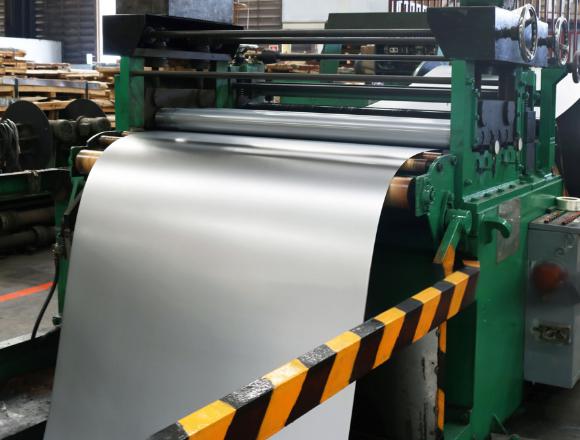
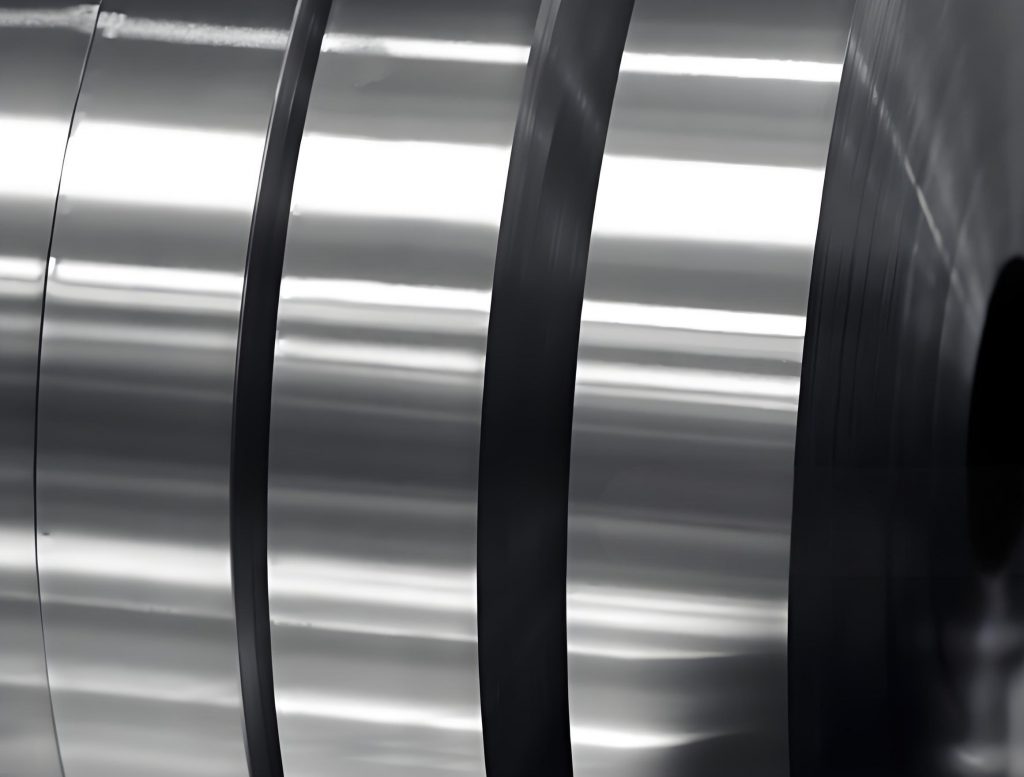
First, we cut the thin sheets of silicon steel, called laminations. We get our steel ready using a process called electrical steel slitting to make sure it is the right width before cutting. We always use the best tools for the job.
No matter how we cut, we promise the edges will have no rough spots, or burrs. Our precise stamping process makes sure there are very few burrs, which is important to prevent short circuits between the layers. If any burrs exist, we have a lamination deburring step to make the edges smooth.
The thickness of the steel sheets is very important. Thinner silicon steel laminations are better at stopping unwanted electric currents, known as eddy current losses. By making the lamination thickness smaller, these losses can be cut way down. This allows you to run your devices at higher speeds or reach a new level of efficiency. This is very important for machines that run at high frequencies. We offer thin gauge electrical steel for these special jobs.
Every single sheet gets an insulation coating. This thin, strong layer creates the needed electrical separation between the silicon steel laminations. This is one of the most important secrets to stopping eddy current loss. We offer a full range of coatings, each made for specific production methods and working conditions:
We carefully control our coating process to make sure the thickness is even and the coverage is complete. This guarantees the tightest possible stack while providing strong electrical insulation.
Putting the silicon steel laminations together is called stacking. We make sure our silicon steel lamination stacks are packed tight for the best performance. To turn loose laminations into a solid core, we offer different ways to join the silicon steel laminations:
After the silicon steel lamination stack is made, we put it in a special oven. This is called the annealing or stress relief annealing process. This step relaxes the steel by removing stress that was created during the cutting and stamping. It unlocks the steel’s best magnetic qualities by making the magnetic parts inside the steel line up correctly. This heat treatment also removes unwanted carbon in a step called decarburization.
Sino silicon steel lamination stacks are the power inside many machines you see every day.
Powering the Electric Revolution: EV Powertrains: The electric vehicle industry has some of the toughest requirements. Our solutions focus on ultra-thin NGO silicon steels with advanced C5 or C6 insulation coatings. This helps reduce core losses from high-frequency power converters. We use advanced laser cutting for complex shapes that can include channels for cooling systems. We also offer laser welding and bonding to create strong rotor and stator cores for the toughest conditions.
For power and distribution transformers, the main goals are to be reliable and to lose as little energy as possible. Our skill in working with high-grade grain-oriented steel is your biggest advantage. We produce silicon steel laminations with very clean, burr-free edges. We use smart cutting designs, such as multi-step lap joints, to help you build transformers that are more efficient and quieter.
This field requires products that are consistent and respond quickly. We provide silicon steel laminations stamped with very exact measurements. This ensures perfect alignment and consistent air gaps between parts. This precision is key to reducing unwanted vibrations and unevenness in motor torque. This leads to the smoother, more exact motion control your customers need for advanced robotic systems.
Our work is used to build different types of motors, including axial flux motors and radial flux motors. We can even create segmented stators for complex designs. We can also perform lamination skewing, which involves slightly angling the silicon steel lamination stacks, to make motors run more quietly and smoothly by reducing magnetic noise and vibration.
Our dedication to quality is supported by the latest manufacturing technology and a quality control system with many stages. We check everything from the initial raw material to the final measurements and insulation strength of the silicon steel lamination stack.
Sino is a leader in all areas, from making quick test models to producing large quantities. Bring your design ideas to our engineering team. Let’s work together to create a silicon steel lamination stack solution that gives your product a real advantage over the competition.