
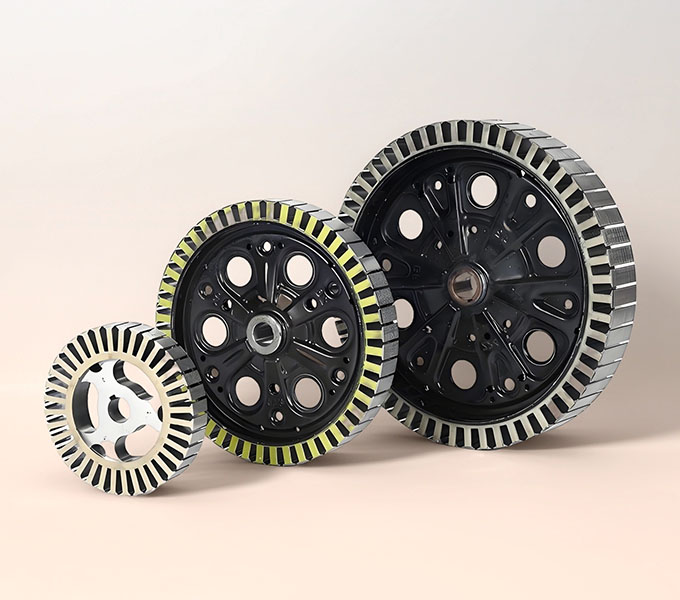
Applications

Rotor Lamination Stacking

At Sino, we make better motor cores. We know that the rotor is the moving heart of an electric motor. How well it works depends on how carefully its thin metal plates are put together. Our rotor lamination stacking service gives your motors more power, makes them run more quietly, and helps them use less energy. For our partners around the world in the car, factory, and aerospace industries, the rotor stack is where good materials and careful building come together.

With Sino, you get a perfectly built rotor every time. We make sure every part fits perfectly. This careful work helps your motors last longer and run better. We are experts at making the ideal electric motor core for what you need.

Stacking Methods for Your Motor

The way we perform lamination stacking for the thin metal plates in a rotor core is very important. We have a set of automatic tools designed for very exact and fast work. This helps us offer the best way to build your core, no matter the design or how many you need. We choose the right lamination stacking method based on your motor’s design and its job.
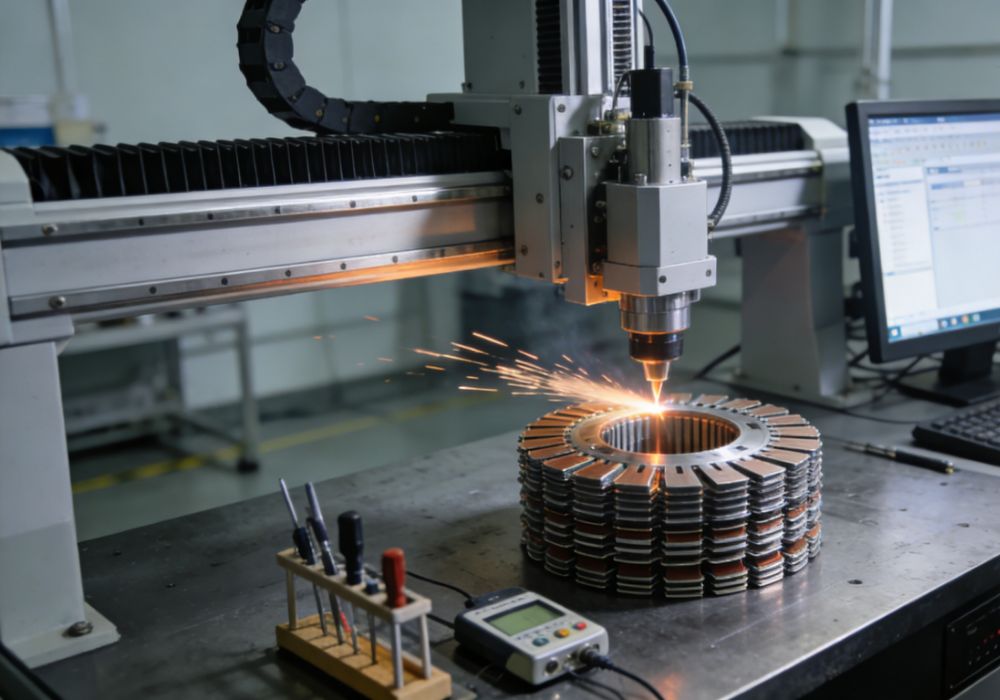
Laser Welding (Welded Core Stacks)

Welding creates a very strong connection between the plates. This method of lamination stacking makes a core that is almost like a single, solid piece. This is needed for motors that spin very fast.

  • What it is: We use TIG or laser welding to connect the edges of the metal plates.
  • Best for: This is a good choice for many motors that need to be strong and affordable. It makes a solid part that works well in fast-spinning car motors.
  • Sino’s Way: We use computer models and special tools to control the heat very carefully during our welding and lamination stacking process. This stops the metal from bending or having hidden stress. This detailed control makes sure the core’s shape is perfect. We are also careful to protect the thin coating on each plate from the heat, which is important for the motor’s power.

Interlocking Laminations

This lamination stacking method works like connecting puzzle pieces. Each metal plate has small parts that lock into the plate next to it. It’s a clever way to build a stator or rotor core without using any heat.
  • What it is: We press small bumps and matching holes into each plate. They fit together to create a secure stack.
  • Best for: This fast and low-cost method is perfect for making large numbers of cores, like those for factory motors or air conditioning systems. This type of lamination stacking is a big part of our automatic ‘Motorneo’ assembly line.
  • Sino’s Way: Our high-quality stamping process creates smooth edges. This ensures the stack is strong without damaging the special coating between the plates. This makes every core identical. It also gives us a good “stacking factor,” which means we pack more metal into the core for better power.

Adhesive Bonding (Bonded Laminations)

For top-performing motors, we use a special glue for lamination stacking. This makes the entire stack of plates behave like a single piece of metal. This method is much better for reducing noise and handling heat.

  • What it is: We apply a special glue that can transfer heat, sometimes a type called Backlack, to every plate. Then, we press and heat the stack to set the glue. This is sometimes called in-mold bonding.
  • Best for: This is the top choice for high-power permanent magnet or BLDC motors. It’s used in high-end electric cars, airplanes, and other machines where quiet, smooth operation (low noise and vibration) is very important.
  • Sino’s Way: Our process for lamination stacking with glue uses special adhesives that conduct heat well. This gets rid of tiny air gaps that trap heat. The final product is a solid core that gets rid of heat much better. This allows motors to run cooler and be more powerful for their size. We often use our reliable EB549 and MX-6272 bonding agents.

Riveted Core and Bolted Stacks

Sometimes, traditional methods are the best. Using rivets or bolts is a simple, strong way to perform lamination stacking.

  • What it is: We use rivets, bolts, or another method called lamination cleating to hold the stack of plates together firmly.
  • Best for: A core held together with rivets or bolts is common in very big motors that run at low speeds. It is a durable and reliable method.
  • Sino’s Way: In this type of lamination stacking, we make sure the pressure holding the plates is perfect. This creates a dependable core that will work for a long time, even in large wound rotor or squirrel cage rotor motors.

A Comparison of Stacking Methods

Parameter

Interlocking

Laser Welding

Adhesive Bonding

Strength

Good

Excellent

Excellent

Cost (For many units)

Low

Medium

High

Noise and Vibration

Fair

Good

Excellent

How Well It Handles Heat

Fair

Good

Excellent

Best For

General Factory, HVAC

High-Speed, Automotive

High-End EV, Aerospace

The Best Materials for a Better Motor

The Foundation of Performance

The type of metal used for the thin plates, or laminations, is very important. Our work starts by helping you pick the right material for your motor’s job. To make motors work better, especially in fast-spinning electric car motors, we focus on:

Choosing the Right Thickness

We have many types of electrical steel. We suggest using thinner plates (like 0.20mm – 0.35mm) to cut down on “eddy current losses.” This is a kind of wasted energy that creates heat.

Helping You Pick an Alloy

We give you detailed information to help you choose the best metal. We help you find a balance between low energy loss, ease of manufacturing, and good magnetic properties.

Magnetic Performance

Our team knows which steels have high “permeability.” This helps your motor produce more power without reaching a magnetic limit, known as “saturation.”

We use only the best materials for lamination stacking at Sino. This helps your motor perform great without overheating.

Material Type

Why It’s Good

Where It’s Used

Silicon Steel

This is a special electrical steel that guides magnetic energy well. This means less energy is wasted. We use top grades like M270-50A, B35A300-Z, and B50A400-Z.

Used in most motors, from your refrigerator to a factory machine.

Cobalt Iron Alloy

This is a very strong magnetic metal. It works well even when it is very hot. It is a high-performance choice, like our ‘Hiperco®’ style alloy.

Used in airplane motors or other special machines.

Nickel Iron Alloy

This metal is great for motors that need to switch on and off very quickly. It is used in a high-frequency motor.

Used in special electronics and medical tools.

Picking the Right Steel for the Job

Motor Use

Common Speed Range

Key Material Features

Sino’s Manufacturing Focus

EV Main Motors

400 – 1,200 Hz

Very Low Energy Loss, Good Magnetic Flow

Handling ultra-thin materials, exact stamping, advanced joining.

Industrial AC Motors

50 – 120 Hz

Strong Magnetic Field, Good Price

High-speed stamping, strong interlocking or welding.

High-Speed Servo Motors

200 – 800 Hz

Low Energy Loss, High Strength

Excellent control of shape and size, advanced balancing.

Aerospace Parts

Varies (often >400 Hz)

High Power for its Weight, Works at High Heat

Tracking special materials, careful quality testing.

How Sino Builds Your Perfect Core

We have a careful process for every core we build. We follow these steps to ensure you get the best possible product. This applies whether we are making just one prototype or thousands of units for you.

1. Smart Design and Exact Cutting

It all starts with a good plan. We use computer tools like CAD to design the best cutting tools. Then, we cut the plates.

  • Lamination Stamping: For large orders, we use a powerful machine with a cutting tool called a stamping die. Our ‘Schuler Group’ style process, using tools made from SKD11 or DC53 steel, is fast and makes sure every piece is the same.
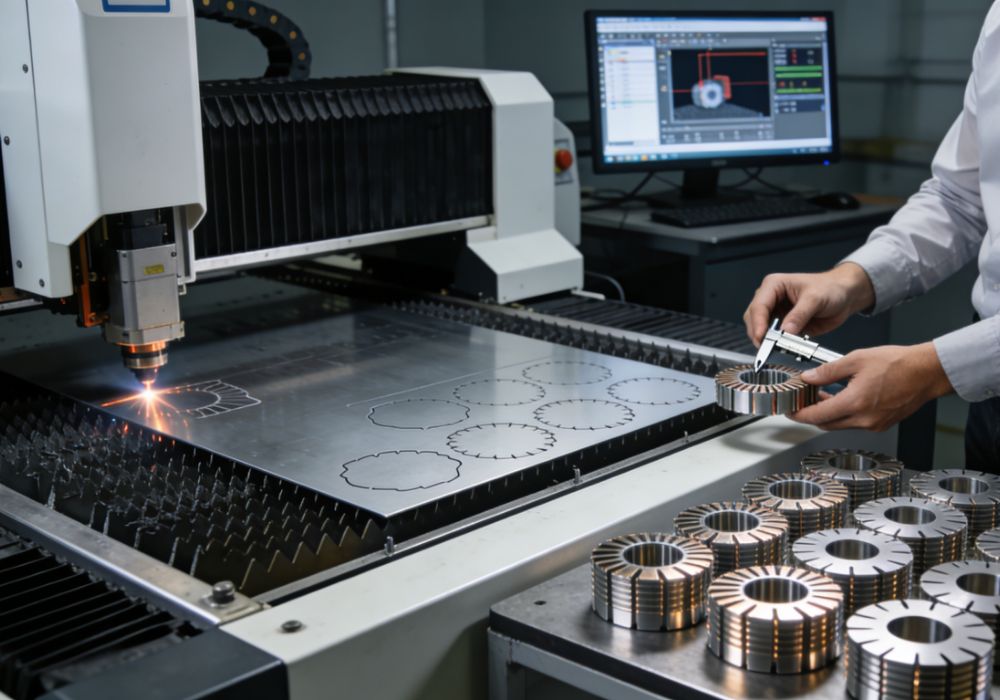
  • Laser Cutting Lamination: For new designs or smaller orders, we use a laser. It is very precise and can cut any shape you need. Our expert teams at LCP-Laser-Cut-Processing GmbH and Laser Technologies Inc. handle this.

2. Perfect Lamination Stacking and Making it Quiet

Next, we stack the plates together. This step must be done perfectly. Our building process creates rotors with special shapes to make them run quieter. We are able to make complex designs that result in very quiet motors, including:

  • Rotor Skewing: We can angle the plates in the stack to reduce vibration. Our lamination stack skewing helps the motor run more smoothly.
  • Better Slot Shapes: We can create complex and uneven slot shapes that cancel out sounds.
  • Surface Notches: We can add small cuts on the surface to control the magnetic field and stop specific noises.

3. Finishing Touches for a Long-Lasting Core

After the lamination stacking is done, we add final touches to make the core even better.

  • Heat Treatment: We use a heating process called annealing to improve the metal’s magnetic properties.
  • Coatings: We add an epoxy coating or a special varnish to protect the core. Our C5 coating helps keep it safe. This coating between the layers is very important.
  • Smoothing the Edges: We make sure there are no sharp edges, or “burrs,” on the plates. Having very small burrs is a key part of our quality.

4. Top Quality: Checking Every Detail

Our promise of high quality is backed by a careful checking process using the best tools. Sino is proud to meet high standards like IATF 16949.

  • Shape and Centering: We check that the core is perfectly round and centered. This is very important to stop vibration. We use laser sensors to check every single part. We do a final check with very accurate Coordinate Measuring Machines (CMMs).
  • Electrical Checks: Making sure the electricity flows correctly is a top priority. We prevent short circuits between the plates by controlling the burrs during stamping. We also test the insulation on every stack using a standard Insulation Resistance (IR) test.


Every rotor we ship comes with a full quality report. This gives you complete information and proof that your parts meet all your requirements.

Sino Cores Solve Motor Problems

A quality rotor core from Sino prevents problems from happening. Our careful work directly improves how your motor runs.

  • Less Wasted Energy: A well-made core has low “core loss.” This waste is made of two types: “hysteresis loss” and “eddy current loss.” Our thin plates and excellent materials with good magnetic properties reduce these losses. This makes the motor more efficient.
  • Quiet and Smooth Operation: A perfect core means less shaking and noise. Our work on balancing the rotor and creating ideal shapes makes motors run quietly. This is very important for medical devices or home appliances.
  • Runs Cooler: Wasted energy turns into heat. By reducing this waste, our cores are better at moving heat away. This helps your motor stay cooler and last longer.

Conclusion: Your Partner for the Heart of the Machine

Sino makes rotor and stator cores for many needs, from single prototypes to large-scale production.

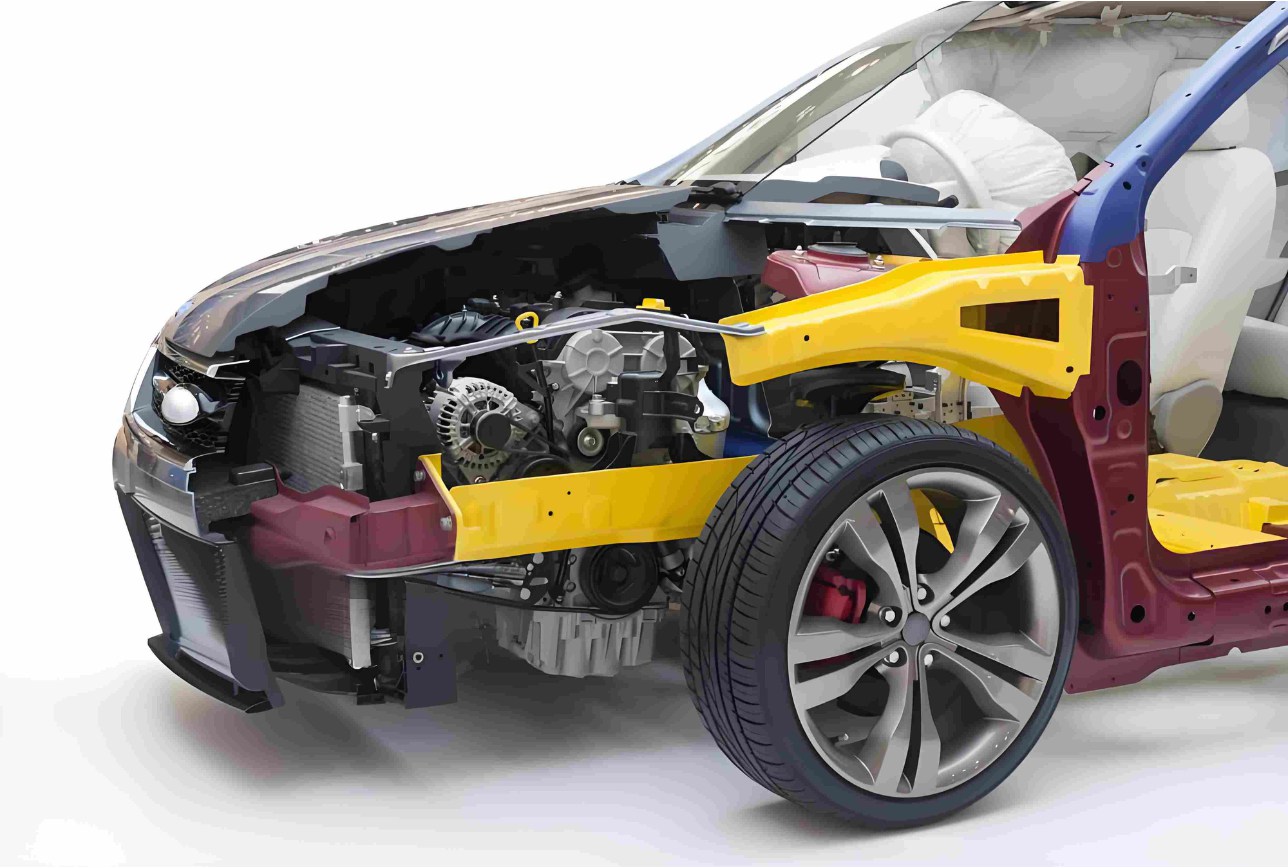
  • Automotive: For the main motors in electric cars, we use adhesive bonding for the best power and quietest ride. Our rotor lamination stacking is perfect for EVs.
  • Industrial: For factory motors, we build strong welded or riveted cores that can work all day. This tough lamination stacking is very reliable.
  • Aerospace: For airplanes and satellites, we use special cobalt iron alloy and nickel materials to make light and powerful cores.
  • Medical: For medical equipment, our cores are clean, quiet, and very dependable.

Contact us

At Sino, we mix our deep knowledge of materials with modern, automatic manufacturing. We do more than just stack metal plates; we build the moving heart that powers new electric machines. Work with us to build the core of your motor with the care, quality, and quantity you need.

Contact Sino today for affordable lamination stacking and top-performing motors. Let’s build a better motor core together.