
A Complete Solution for Your Motor
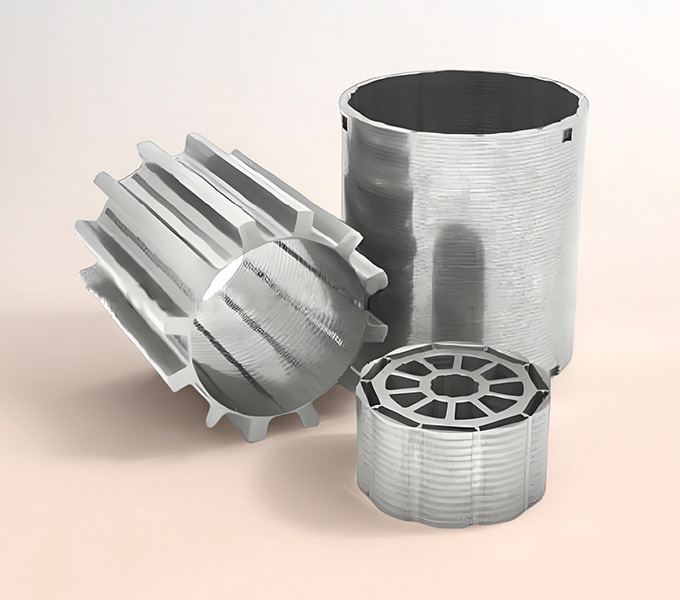
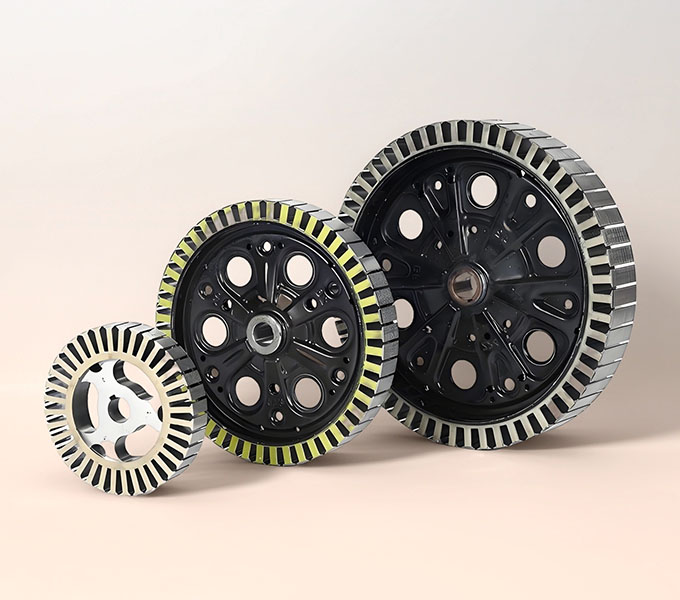
Sino offers a complete solution for making the newest radial flux motor cores. We do this by combining the best materials with expert production methods.
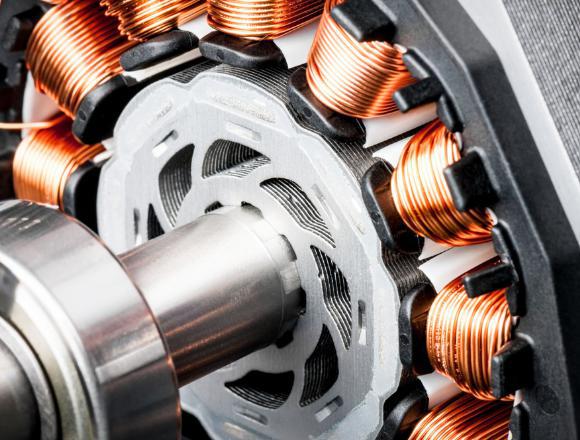
Our skill is key to reducing energy loss, especially at high speeds over 800 Hz. We make sure heat is removed effectively from the core. We also ensure the magnetic field stays strong when the motor is under a lot of stress. With our EV Motor Core Laminations, you get a stronger and more efficient core for your electric motor. These lamination stacks for EV motors are built to achieve the best power, efficiency, and long life for even the toughest electric vehicle (EV) uses.
The benefits of choosing Sino are clear. Our EV Motor Core Laminations are more than just components; they are a full solution for electric vehicles.
When you choose a Sino product, you get the best parts for your job. Our rotor stacks are special because they offer many good things:

We use very thin metal sheets. This design helps stop something called eddy current loss. This means more power from your motor goes to work, and less power is lost as heat.

We use the best materials available. This helps us build a rotor core assembly that is small but very strong. This gives you high torque density and power density.
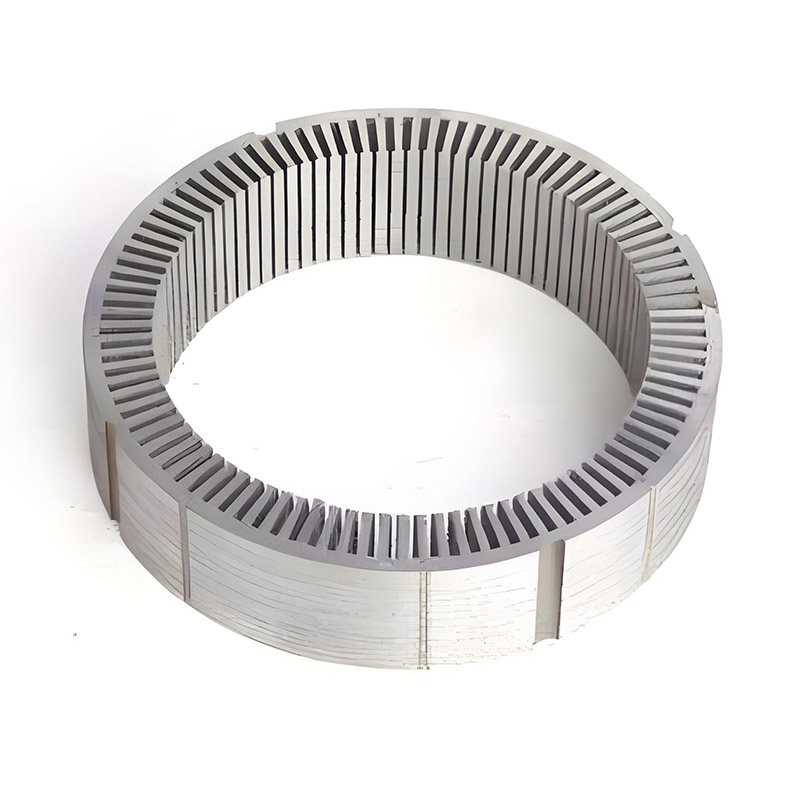

Our stacks are held together very tightly. We use methods like special glue or welding. This ensures they can spin very fast and will not break apart. This is very important for good rotor dynamics.

Every motor is different. We work with you to make the perfect stack for what you need. We can look at your drawings and help make them even better.
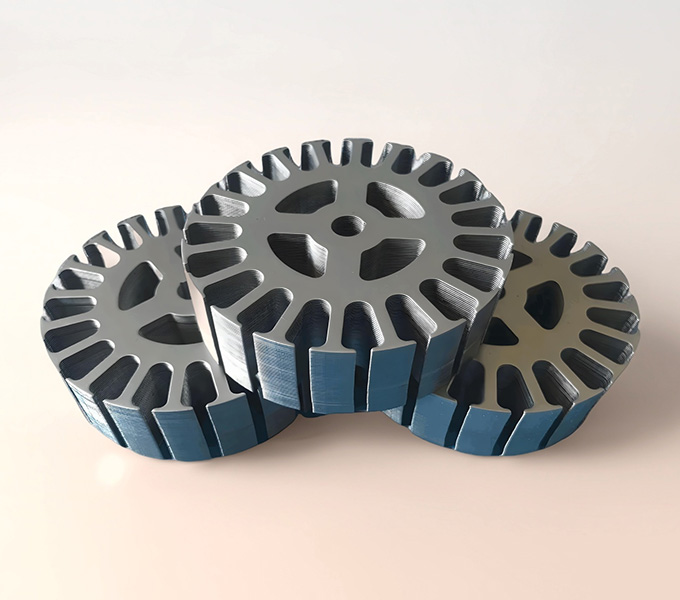
Choosing the right material for the lamination is a very important decision. At Sino, we know that picking the best motor core technology means finding the right balance. You have to think about performance, cost, and how easy it is to make. We have many different materials to perfectly match what you need for your lamination stacks for EV motors.
Thin non-grain-oriented (NGO) steels are a great choice. We use precise laser cutting and modern glue methods to put them together. This gives you the best mix of cost and performance. We are experts in this type of steel, which is very important for preventing energy loss, especially in motors that spin very fast.
When keeping noise, vibration, and harshness (NVH) low and getting the best efficiency are the most important things, cores made from amorphous metal are the best option.
Soft Magnetic Composites (SMCs) made with 3D printing will allow for a new kind of motor. These motors can be extremely small and highly integrated.
We also use special materials like cobalt alloys and nickel alloys, which have great magnetic abilities. We carefully select every single sheet of our magnetic steel to ensure it is high quality.
A great magnetic core, like our EV Motor Core Laminations, needs a great insulation coating. This thin layer acts as a barrier. It stops electricity from flowing between the individual steel layers. If it weren’t for this coating, the motor would waste a lot of energy. Sino offers many types of lamination coating.
This special coating provides strong electrical insulation between the layers. We test the coating’s quality to be sure it does a great job of resisting electrical flow.
The benefits of using great materials can be lost if the manufacturing process isn’t good enough. At Sino, we have developed new and better ways of cutting, stacking, and joining layers. This keeps and even improves the magnetic qualities of the final EV Motor Core Laminations.
Our main method is stamping the laminations. But for new or complicated shapes, we use better cutting methods. Normal stamping can create stress and rough edges on the steel. Instead, we use advanced fiber lasers for very thin materials (less than 0.2 mm thick). This laser creates a very small Heat-Affected Zone (HAZ). For very delicate amorphous metal ribbons, our process uses special picosecond-pulse lasers that protect the material’s special structure. After cutting, we perform a crucial step. We carefully heat and cool the metal in a process called annealing to relieve stress and restore its magnetic performance.
Once the individual laminations are made, we need to stack them together. We use a few different methods to create the lamination stacks for EV motor:

Small bumps on the laminations lock them together.
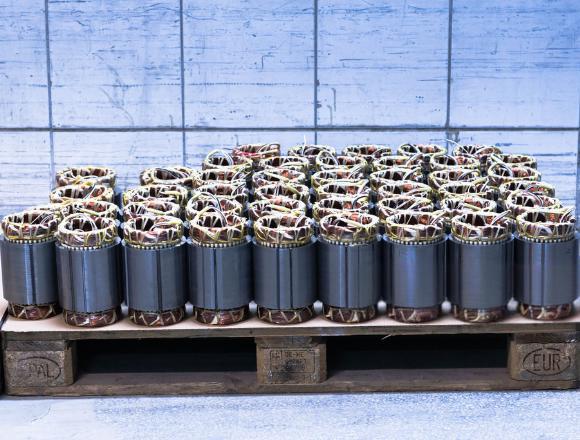
We use laser welding, TIG welding, and MIG welding to join the outside of the stack.
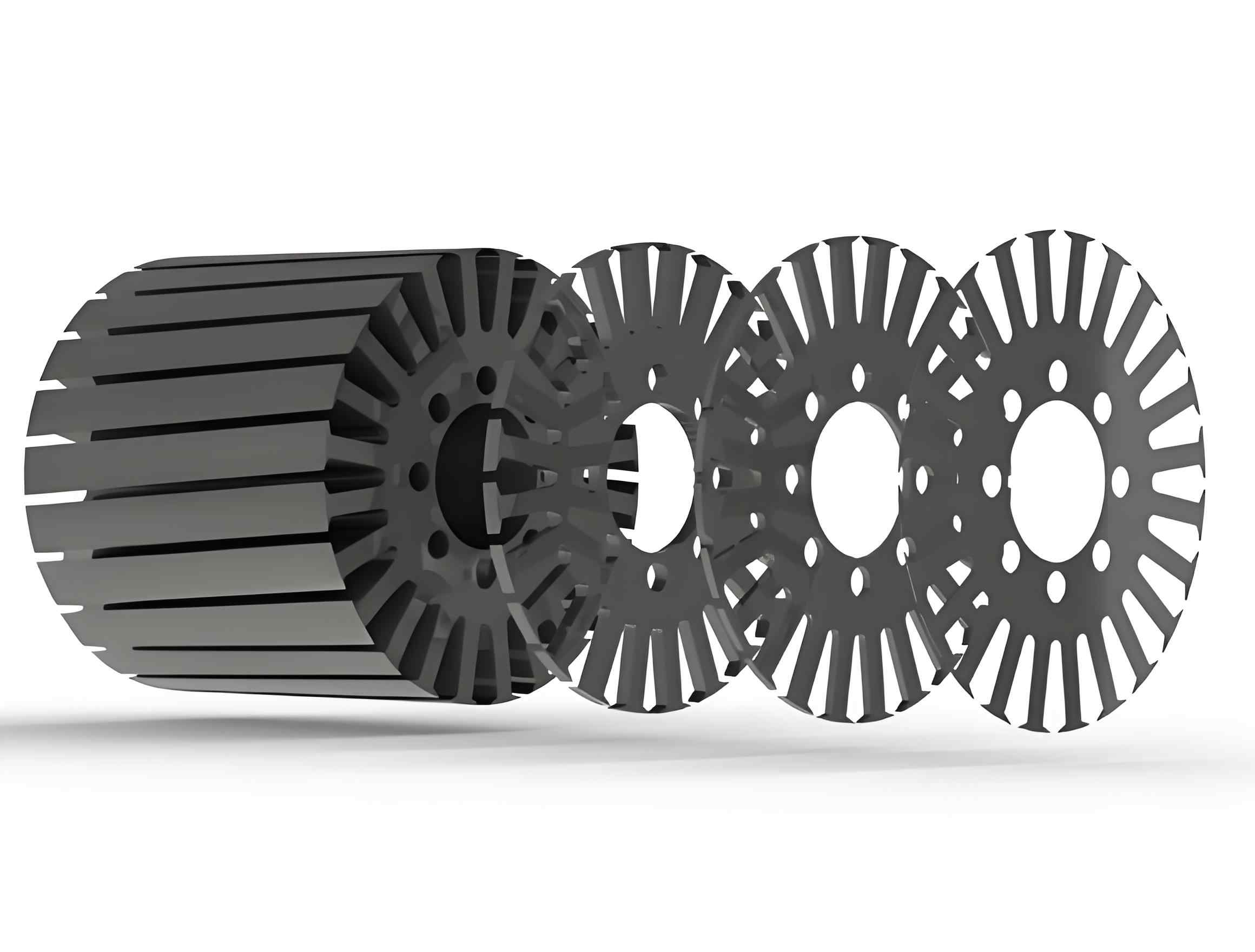
For motors that spin very fast, using a special glue has become the best way to join the layers. We use special "Backlack" glues to create a very even bonding layer. We use a very precise process of heat and pressure to harden the glue. The result is a single, solid core that is very strong and can handle the forces inside the motor. The glue layer also helps to absorb vibrations, which makes the motor quieter.
The goal of every Sino EV Motor Core Lamination is to make the motor perform better. The main thing that makes a motor inefficient is core loss. This loss has two parts: hysteresis loss and eddy current loss. Hysteresis is like magnetic friction inside the steel. Eddy currents are small, wasteful currents that create heat. We use thin, high-quality silicon steel and special alloys. These materials are designed to reduce both types of energy loss in our lamination stacks for EV motor.
We also pay close attention to magnetic permeability. This is how easily a material can carry a magnetic field. A material with high permeability lets you make a strong magnetic field using less energy. This results in a strong magnetic field, which means you get more power from a smaller motor. This all leads to a better-performing motor. It helps your electric vehicle (EV) or hybrid electric vehicle (HEV) drive longer on a single charge.
At Sino, our promise is to deliver the highest quality. Our quality checks and production controls are very tough. We are proud to be certified with IATF 16949 and ISO 9001 standards.
We use modern testing methods to check every part because simple tests are not good enough for today’s advanced motors. We have put a 100% inspection process in place right on our production line, using a technology called Lock-in Thermography (LIT). This is a safe way to test that doesn’t harm the part. It creates a magnetic field in the core, and then a high-quality infrared camera looks for hot spots that show where short-circuits might be. Our automatic, AI-powered LIT systems can find any problems with amazing accuracy in under 30 seconds for each core. This makes sure that every one of our EV Motor Core Laminations we send out is free of hidden problems.
Besides LIT, our full testing process also includes:
Every Part
Sino is more than just a supplier of EV Motor Core Laminations. We see ourselves as your partner in creating new and better technology. We don’t just give you materials. We offer a deep knowledge of how materials, production methods, and the final motor’s performance are all connected.
We invite you to talk with our engineering teams. Let’s explore how our top-quality materials and production skills can help you build the next great high-performance electric motors with our lamination stacks for EV motor.