
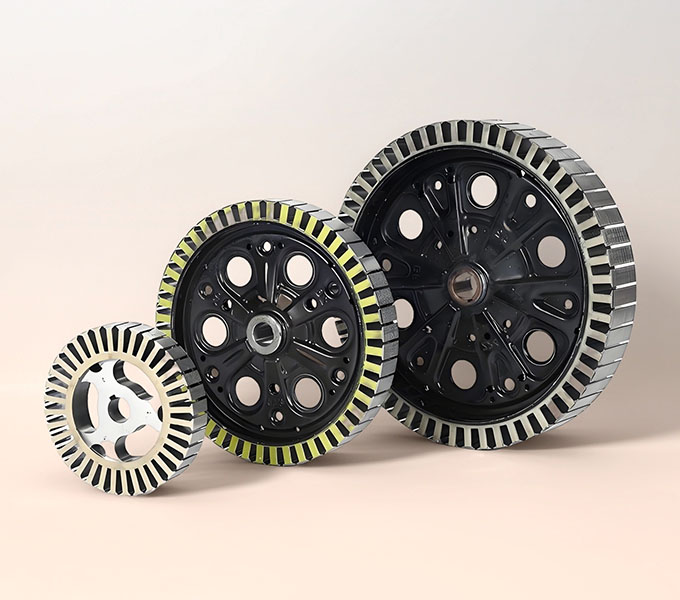
As a top maker of special magnetic parts, we at Sino know that high-quality lamination stacks are very important. They affect the power, energy use, and lifespan of modern alternators. We focus on giving motor and transformer makers around the world the best and newest parts. These parts are made to meet the needs of today’s powerful, high-speed machines. With Sino’s custom-made alternator stator laminations, you get more power from every turn. Our alternator stator laminations are built to stop energy waste, run cooler, and last longer. This means your machines do more work with less fuel or energy. When you choose Sino, you choose smarter power.
The stator core is the heart of your alternator. It guides the flow of energy, which we call magnetic flux. A solid block of metal would trap this energy and waste it as heat. That is why we make our cores from a lamination stack. A lamination stack, which forms our alternator stator laminations, is made of many very thin steel sheets. Each sheet has a special coating to keep them separate. This smart design guides the magnetic field and creates a strong path for it to work. This process is called electromagnetic induction. It is how your machine turns motion into electricity.
Making great alternator stator laminations is a balancing act. We have to think about magnets, heat, strength, and how to build them. We focus on what our customers need most:
Choosing the right magnetic material is the key to how well our alternator stator laminations work. We offer a range of modern electrical steels, and we pick the best one for the job based on its magnetic qualities.
For alternator stator laminations, NGOES is the usual choice. This is because its magnetic properties work well in all directions, which is important for the spinning magnetic fields inside an alternator.
The coating between the steel sheets is just as important as the steel itself. We use modern coatings to make sure electricity stays where it should and the part can handle heat.
Other Advanced Material Options
Material Type | Why We Use It at Sino |
Cobalt-Iron Alloys | For the toughest jobs, we use special materials like Hiperco 50 or Vacodur 49. These are great for high heat and high power. |
Nickel Alloys | We also use materials like HyMu 80 and Permenorm 5000 V5 for special tools that need very specific magnetic fields. |
Amorphous Steel | This is a special steel with no internal grain. It is great for cutting down on a different type of energy waste in some machines. |
Our engineers will help you pick the perfect material from our list of steel types, including M15, M19, M22, M27, M36, M45, and M47. We work closely with you to find the best material and coating that meets your goals for performance, heat, and cost for your alternator stator laminations.
At Sino, we use the best tools to make your parts. Our methods ensure every part is of the highest quality and exactly the same, which is vital for high-performance alternator stator laminations.
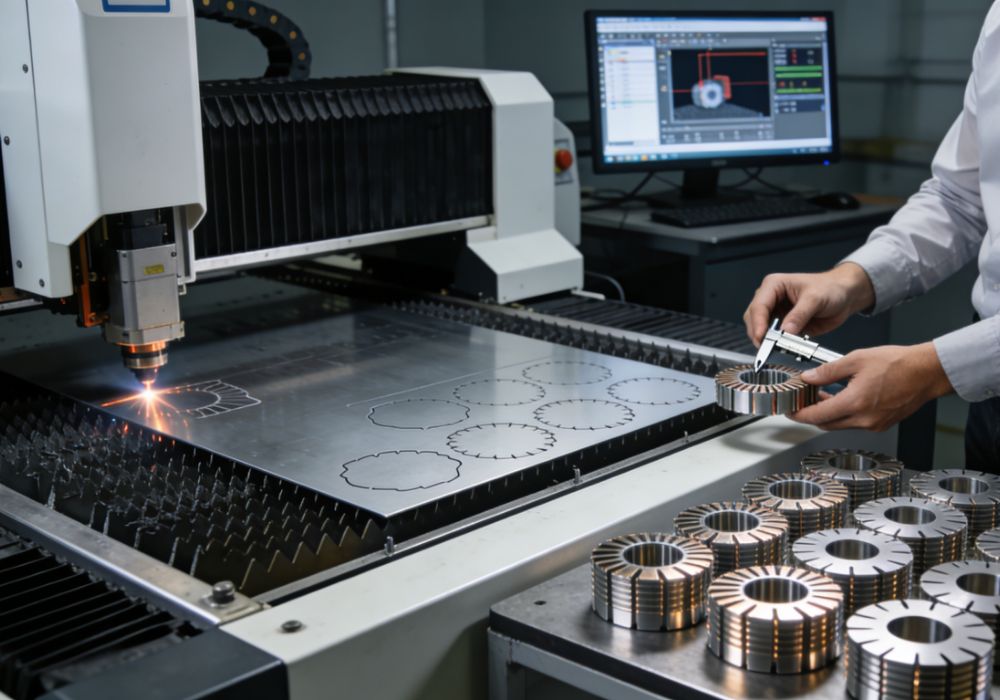
This is our main way of making large orders. We use fast machines with special tools that can make parts with very precise measurements (within ±10–20 µm).
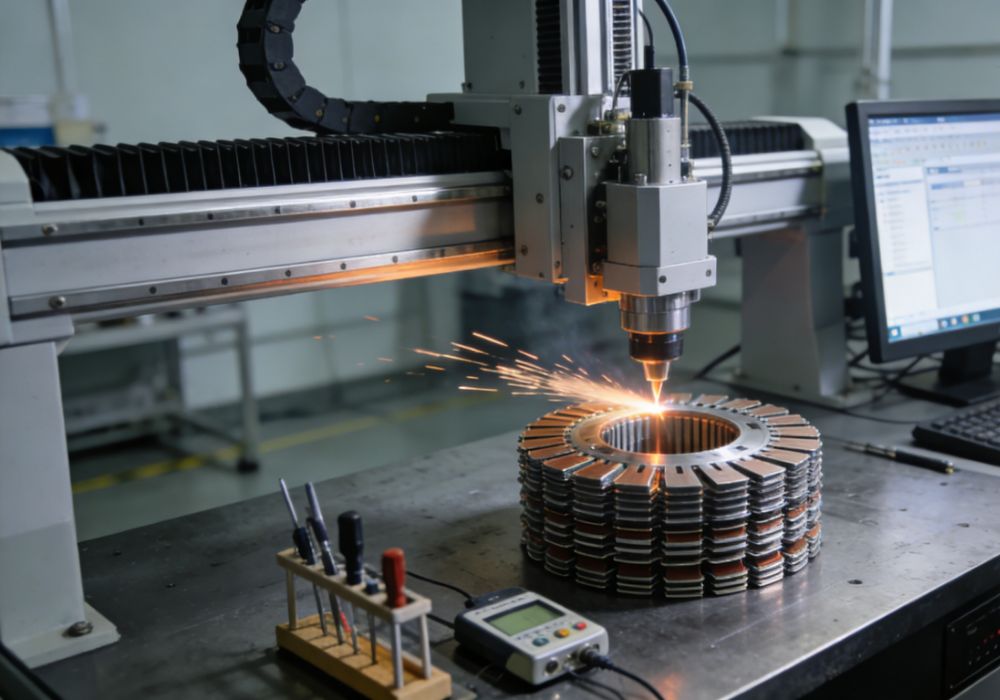
For new ideas or smaller orders, we use laser cutting. A powerful, focused beam of light cuts the steel with amazing detail. This is perfect for making prototypes or very complex shapes. We are experts at this.
Our process also includes a heat treatment called annealing. This makes the steel’s magnetic powers even better.
Once the single steel sheets are made, they must be put together to make the core. A well-built core means a good motor. The final stack of alternator stator laminations needs a high “stacking factor.” This just means we pack in as much steel as possible with very little air, which is good for power.
This is the method we like best for high-performance alternator stator laminations. We use steel sheets that have a special glue on them. When heated and pressed, they stick together to form a solid block without needing to be welded or locked.
We can also add special features like skewing. This is where the stack is slightly twisted to help the motor run more smoothly and quietly.
We are very serious about quality. We promise to deliver alternator stator laminations that meet the highest standards. Our quality control team checks everything.
We can also help with reverse engineering. If you have an old part you need to replace, we can study it and make a new, better one for you.
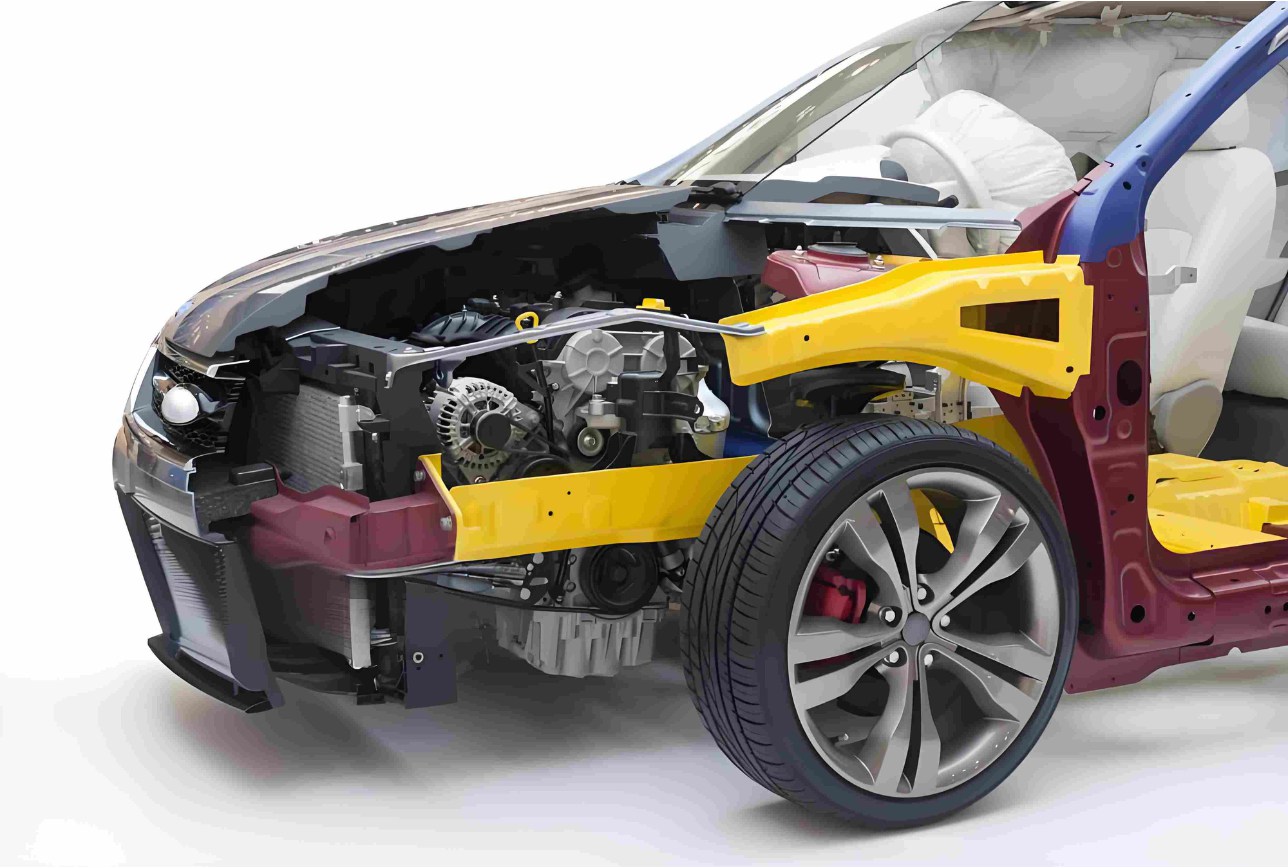
Our alternator stator laminations are the power behind many machines you see every day. They help turn one form of energy into another in everything from a small tool to a giant turbine.
The alternator in your car uses our alternator stator laminations to power the lights and radio.
Our alternator stator laminations are key for the powerful motors in electric cars.
Giant generators that make electricity for our homes use cores made with our parts.
Our parts help turn wind into clean energy.
Motors in all kinds of factory machines use our cores to run all day, every day.
Special generators in planes use our high-tech alternator stator laminations.
The motors in your washing machine or air conditioner work better because of parts like ours.
At Sino, we’re not just a company that sells you parts; we work with you as a partner to help you make the best alternators possible. We know a lot about the right materials, the best ways to make parts, and how to design them for top performance. This allows us to deliver alternator stator laminations that are key parts that make your alternators work much better.
Contact Sino today. Let our team show you how our precision stator core and rotor core parts can improve your products. We are ready to help you with everything from a single test part to a huge order. Let’s build something powerful together.