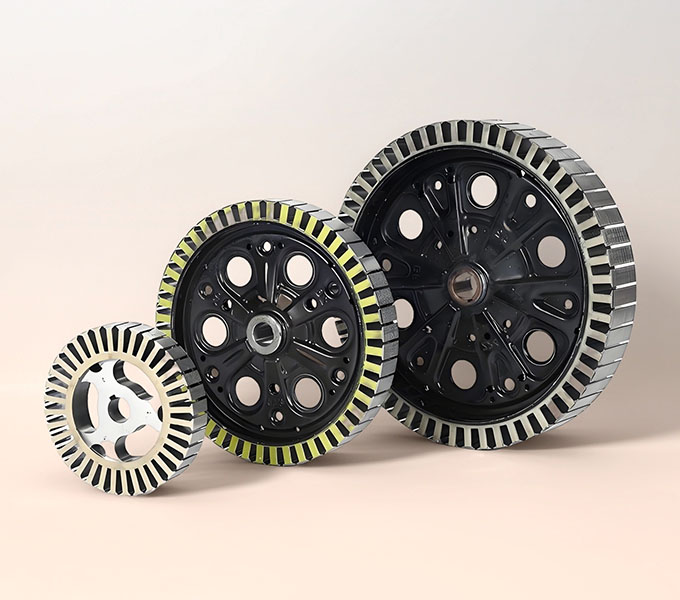
To get more power and be more efficient, the parts inside electric motors and transformers are very important. At Sino, we build the heart of your motor. Our special services for motor lamination stacks insulation have one goal: to give your motors more power, less heat, and a much longer life. We know that the tiny layer of insulation between each steel sheet is very important. This layer is key for efficiency. It also stops the motor from getting too hot and breaking down. We focus on providing excellent lamination stacks insulation. This is how we promise to help your designs work their best. This is true for powerful EV powertrains and for large industrial transformers that need to work for many, many years.
Our insulation solutions help you:
Choosing the right insulation coating is a very important choice for engineers. Using the same solution for every job doesn’t work. Our customers around the world have many different needs. At Sino, we have a wide range of solutions for lamination stacks insulation. They are all based on world standards. We use our deep knowledge to match the right solution to your specific job.
Sino’s Full Range of Insulation Classes and Their Uses
Insulation Class | What It Is & What It’s Made Of | Best Use & Why It’s Good For You |
Class C-0 | A natural layer of rust that forms on the surface. | Making Many Cheap Motors: Perfect for small, simple motors where the cost of each motor is the most important thing. |
Class C-1 | A layer of rust made by heating the steel. | Better Basic Performance: A small step up from C-0. It’s good for small industrial motors and home machines without a big price increase. |
Class C-3 | A coating made of varnish or enamel. | The Go-To for Industry: A great all-around choice that balances good performance, long life, and cost for many kinds of industrial motors and transformers. |
Class C-4 | A coating made from inorganic or phosphate materials. | For High-Heat Building & Use: Made to handle the very high heat of a process called annealing without being damaged. |
Class C-5 | Modern coatings made from epoxy, polymer, or resin. | Top Performance in Tough Conditions: Our best option for EV motors, super-fast machine parts, and airplane motors. |
Class C-6 | Modern coatings made from a mix of materials. | The Best of Everything: A mix that gives amazing heat resistance and top-level insulation for products that absolutely cannot fail. |
We work together with you. We look at your design and how you will build your product. This process ensures you get the best motor lamination stacks insulation. For example, you might need a coating that can handle a high-heat treatment like annealing (C-4, C-6). Or, you might need one that glues the stack together (called “backlack,” C-5) so you don’t have to weld it. We will help you find the perfect solution.
Our coatings include many kinds of insulating varnish, like core plate varnish and special varnish for high temperatures. To be good to the environment, we can use a varnish that is water-based or one that has no solvents. Our team knows all about different varnish types, such as alkyd varnish, epoxy varnish, and even organosilicon varnish. For special needs, we might use a red insulating varnish or a strong enameled wire varnish. The quality of our electrical insulation and heat insulation coatings is the best you can find.

Sometimes, a coating by itself is not enough. For more protection, especially where the wires are, we use special papers and films for insulation. You can think of these as strong shields that make sure electricity stays where it should be.
Our insulation materials include:
We also offer a service called plastic overmolding. We use materials like PA66 (Polyamide 66), BMC (Bulk Molding Compound), and PPS (Polyphenylene Sulfide). In this process, we use injection molding to cover the stack in a hard plastic shell. This makes the lamination stacks insulation better and adds strength.
Motors that run at very high speeds, like in EVs and some industrial machines, put a lot of stress on the lamination stacks insulation. This insulation is the main thing that stops the motor from failing because of heat. Our top-level systems are made to work well in these tough situations. They are made to solve two common problems: electrical failure and damage from getting hot and cold over and over again.
Our Solutions for High-Speed Motors:
We use our best C-5 and C-6 coatings. These coatings have high electrical strength, which helps to create less heat inside the motor. Our special machines apply these coatings perfectly to very thin steel sheets (0.1mm or even thinner). We also check every batch with high-voltage tests to make sure there is a safe amount of protection.
Our C-5 polymer coatings are flexible. They can absorb the stress when the motor gets hot and expands. They also stick very well, so the layers don’t come apart even in extreme temperatures (from -40°C to over 180°C). We check this strength by doing tests that copy a lifetime of use in our labs.
At Sino, we watch every step of the process to make sure the quality is high. Our process is set up to create the best motor lamination stacks insulation for your stator and rotor parts. To get the best performance, the insulation layer must be perfectly even. We are experts at advanced methods that create an insulation layer so even that old methods cannot match it.
We begin with your plan. We help you pick the right kind of electrical steel and the best insulation for the job, whether that is a phosphate coating, chromate coating, or a modern silicate coating with ceramic parts.
We use two main ways to cut the steel sheets:
Many steel sheets need to be heated in a process called annealing. This makes the steel better for magnetic uses. Our inorganic coatings are made to handle this heat without any problems.
This is the most critical step for good lamination stacks insulation. We use several methods:
We put the insulated steel sheets together to make a core. This is called lamination stacking. We use a few different ways to hold the stack together:
To supply products all over the world, we need to make millions of parts that are all perfectly the same. Our automated insulation process allows us to make large amounts of product, keep costs low, and provide the high quality you can rely on.
Why Our Automated Factory is Better:
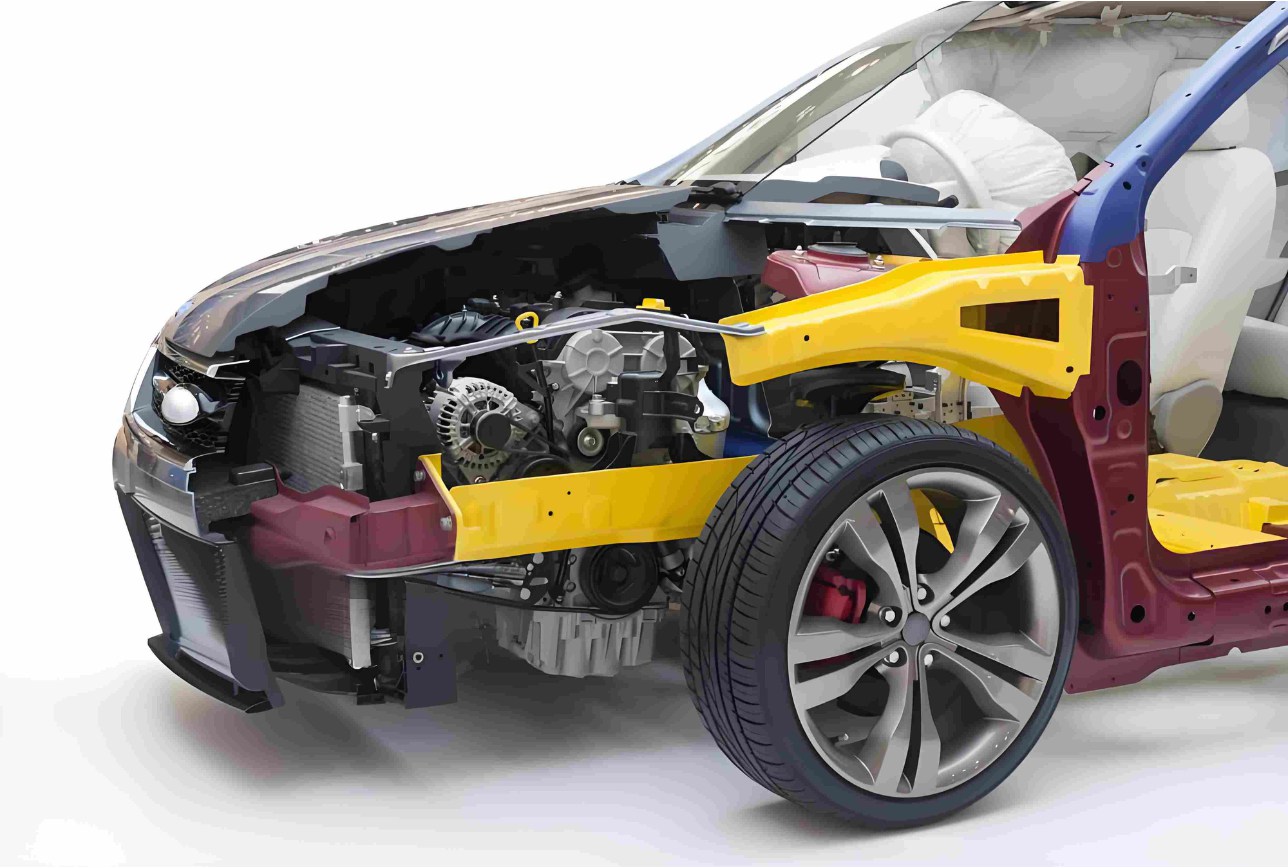
Even one small problem in the insulation can cause a major failure. Our goal for quality is to stop problems before they happen. We do this by using a full set of tests, called Non-Destructive Testing (NDT), at every step of our production process.
Sino’s Built-In Non-Destructive Testing (NDT) Checks
NDT Method | How It Works | Where We Use It | How It Helps You |
Interlaminate Resistance Test | Measures how well electricity is blocked between the steel layers. | Final Quality Check | Makes sure that energy loss is low and the layers are properly separated. |
Flux Injection Probe (FIP) | A special tool sends a magnetic signal to find any short circuits. | Checking During the Process | Finds the exact spot of any small problems in very important cores. |
Low Flux Stator Core Excitation | A weak magnetic field and a probe check the whole core for problems. | Full Core Check | Creates a complete picture of the insulation’s health, which prevents “hot spots.” |
In-Line Core Loss Testing | Measures the total energy loss of the core as if it were running. | Watching the Process | Makes sure the final product is as efficient as it was designed to be. |
Automated Optical Inspection (AOI) | High-quality cameras check every steel sheet for any surface problems. | Quality Check Before Stacking | Stops any bad steel sheets from being used in a finished motor core. |
How can you be sure our motor lamination stacks insulation really works? We test it. Sino follows very strict rules and uses special equipment to check that every core is perfect.
Our insulated lamination stacks are key parts in many important products. We provide cores for:
At Sino, we have built our company around being excellent in materials, modern manufacturing, and quality control. We know that the quality of our lamination core is the foundation for how well your product will work. When you choose Sino, you are choosing a partner who knows that better lamination stacks insulation is the secret to a better motor. We welcome you to give us your most difficult challenges.
Contact the Sino engineering team today. Let’s work together to build the high-efficiency heart of your next great product.