
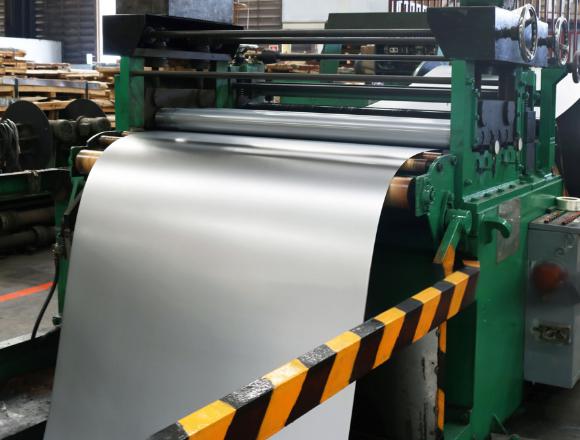
With Sino’s Steel Lamination Stacks, you get more power and waste less energy. Our steel lamination stacks make your machines run better, stay cooler, and last longer. These stacks are the strong heart of any electric motor, transformer, or generator. We build them to your exact needs, so they fit perfectly. This means you get better parts that save both energy and money.
At Sino, we help create the newest high-power motors and transformers. We do this by making steel lamination stacks that are better than the usual parts. We have one main goal. We want to give our partners around the world a real edge over their competition by providing special magnetic cores. These cores, built from our steel laminations, offer the best efficiency. They also stay strong under heat and stress, run very quietly, and are very dependable. We know that in the tough market for electric cars, factory machines, and power systems, the core is more than just a part. It is the very heart of your machine.
We give you great value by combining the best materials, very careful building methods, and working together with you. This is how our steel lamination stacks solve the biggest problems our customers have:
The kind of steel we use is very important. We use a special type called electrical steel, or silicon steel. This sheet steel is made to work well with magnets. At Sino, we help you pick the right lamination steel grades for your steel lamination stacks.
We offer two main types of this special steel:
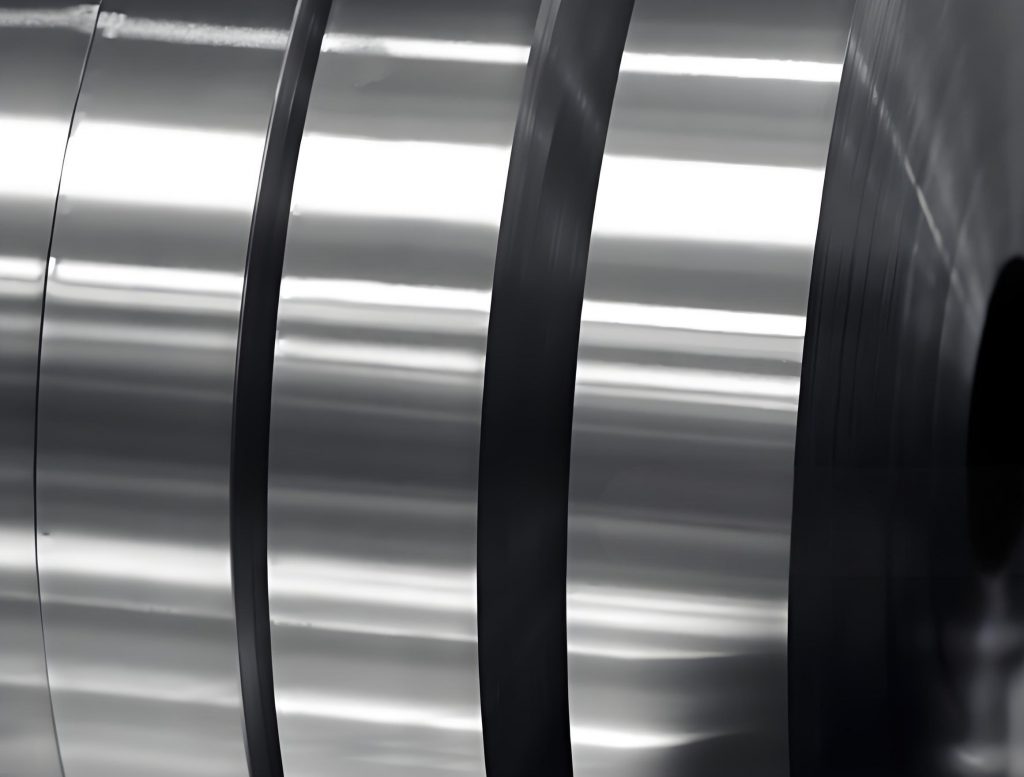
This steel is very strong in one direction. It has a special grain that is all lined up. This makes it perfect for a transformer core, which has a magnetic field that flows in a steady path. Our Cold-Rolled Grain-Oriented (CRGO) Steel is great for power transformers and distribution transformers. It lets magnetic energy flow very easily. This steel works best when the magnetic field flows in one specific direction.
This steel is strong in all directions because its grain is not lined up. This makes it the perfect material for the steel laminations in a generator core or an electric motor core. In a motor, the magnetic field is always spinning around. Our Cold-Rolled Non-Grain-Oriented (CRNGO) Steel gives great performance no matter which way the magnetic field points. It works the same in all directions.
In things like modern power supplies and green energy equipment, parts are running faster and faster. This is done to get more power out of smaller parts. We provide core solutions made from two top types of high-frequency materials.
A Look at Two Materials: Amorphous Alloys vs. Ultra-Thin Grain-Oriented (UTGO) Steel
Feature | Amorphous Metal Alloys | Ultra-Thin Grain-Oriented (UTGO) Electrical Steel |
Atomic Structure | Messy, not a crystal (like glass). | A crystal structure with grains lined up. |
Core Loss | Very, very low, especially at high speeds. | Low, but more than amorphous alloys at the same speed. |
Saturation Flux Density (Bsat) | Lower (around 1.56 T). | Higher (over 1.8 T). This allows for smaller parts. |
Mechanical Properties | Breaks easily and is sensitive to bending. | Bends well and is tough. Easier to punch, cut, and work with. |
Primary Applications | Used where saving the most energy is key, like in high-efficiency transformers and noise filters. | Used in transformers with a lot of power in a small size, airplane power systems, and high-speed motors. |
The thin insulating layer on each of the steel laminations is very important. It stops unwanted electrical currents, called eddy currents, from flowing between them. We offer a full range of coatings, made to fit the way you will build and use your parts.
Overview of Lamination Insulation Coatings
Coating Class | Type | Key Characteristics | Typical Applications |
C3 | Organic Varnish | Good for punching shapes. Does not handle high-heat treatments. | Small, low-cost motors and transformers. |
C4 | Semi-Organic | Better at handling heat. Can often handle heat treatment to relieve stress. | General motors and ballasts that need heat treatment. |
C5 | Inorganic | High resistance to electricity. Handles high-heat treatments very well. | High-performance motors (like in EVs) and transformers. |
C6 | Organic with Fillers | Good all-around performance and handles heat well. | High-efficiency motors that need great insulation and are easy to make. |
Self-Bonding | Organic (Adhesive) | A special coating that is activated by heat and bonds the whole stack together. | High-performance EV motors, motors that need to be very quiet. |
Making a perfect magnetic core takes a lot of skill. At Sino, we use the best tools and methods to create your stator core and rotor core. Our process makes sure every one of our steel lamination stacks is just right.
How the individual steel laminations are joined together is a very important step. It affects how well the core will work. For high-performance cores, we prefer to use advanced adhesive bonding.
Comparison of Lamination Stacking Technologies
Method | Description | Advantages | Disadvantages |
Welding | Steel laminations are joined by welds on the outside edge. | Low cost, fast process. | Creates small short circuits that waste energy. Damages the steel near the weld. |
Interlocking | Stamped shapes lock the steel laminations together. | No extra materials needed, fairly low cost. | Harms magnetic performance. Can lead to a looser stack and more vibration. |
Adhesive Bonding | Steel laminations are fully glued together with an adhesive or a self-bonding coating. | Better Performance: Less energy wasted, very strong, great at stopping vibration, and helps heat escape. | The materials and process cost more. |
For parts that get very hot, we use special glues based on epoxy. These glues stay strong even when they are running at temperatures over 180-200°C for a long time.
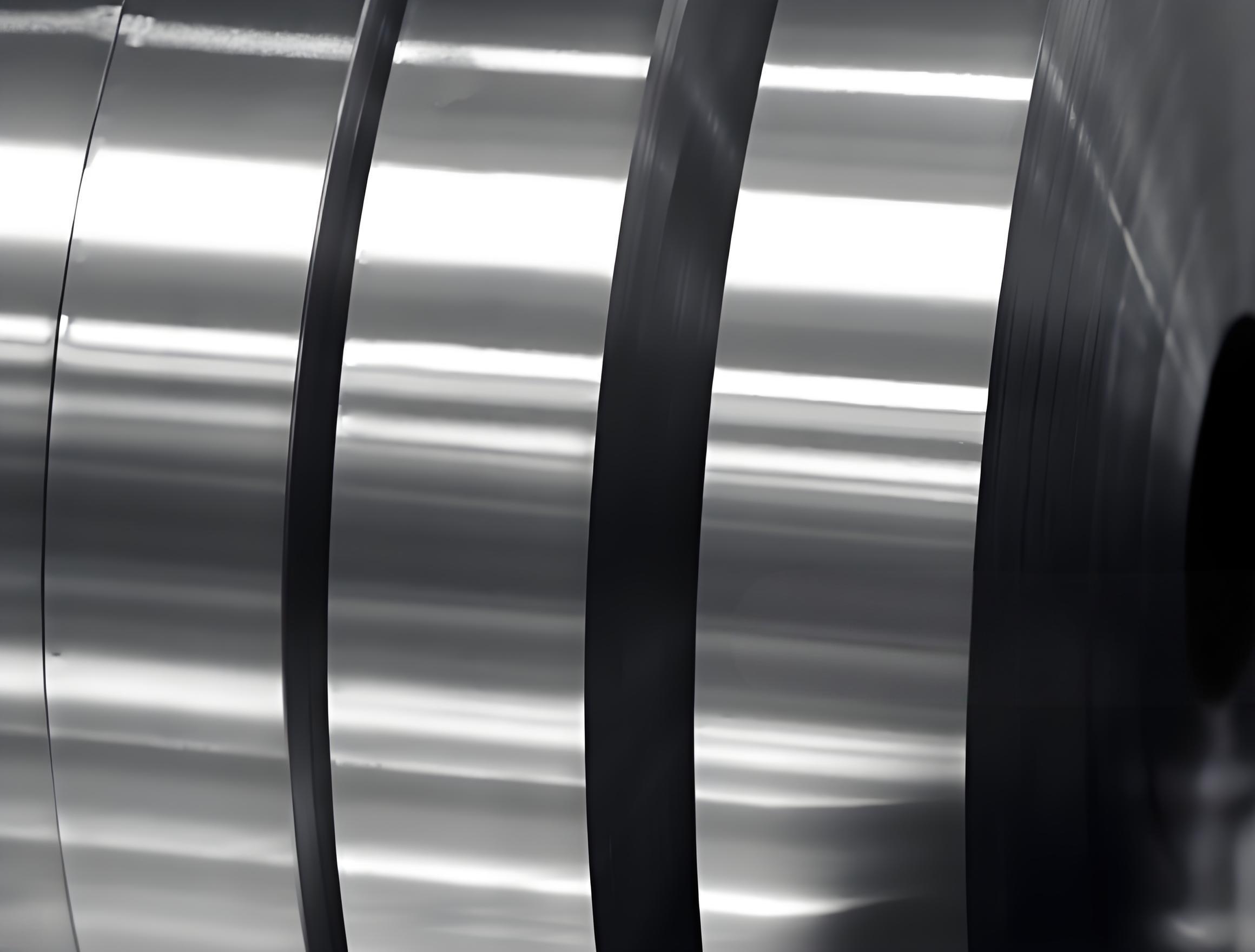
Our steel lamination stacks are used to build the most important parts of electric machines. These are the stator and the rotor.
We make steel lamination stacks for every kind of motor, including the Induction Motor, Permanent Magnet Motor, AC Motor, and DC Motor. We also make stacks for the armature, another key part in some machines. Our armature lamination parts are built for top speed and power. You may also see our work in E-I laminations, a common shape for a transformer. This can be a wound core, cut core, or a toroidal core. Each laminated iron core, which is also called a ferromagnetic core, is part of a magnetic circuit.
We know that every industry has different needs. A single solution doesn’t work for everyone. Our engineers are experts at developing steel lamination stacks for specific jobs. Each stack is fine-tuned for a unique set of goals.
The move to electric cars (EVs) means there’s a huge need for motors that are powerful, efficient, small, and quiet all at the same time.
For the huge transformers that support the electrical grid, the most important things are being dependable and not wasting energy when they are not busy.
Big machines in factories need strong motors that can run all day. We provide the strong steel lamination stacks they need.
Parts for airplanes must be very light and trustworthy. We make steel lamination stacks that meet these tough requirements.
Wind turbines and other green power sources need great generators. Our parts help turn wind and sun into clean power for power generation.
We believe in quality you can see and measure. We test our parts to make sure they are the best. We use tests like the Epstein Frame Test and the Franklin Test to check how well the surface insulation works and other key magnetic features. We follow rules from groups like ASTM A876, IEC 60404-8-7, and JIS C 2553 to promise top quality
Here is a look at what we offer.
Parameter | Sino’s Specification | Why It Matters |
Material Grades | M-Grades like M19, M27, and more | The grade number tells you the quality of the steel. A lower number means less energy loss. |
Lamination Thickness | From 0.35 mm down to 0.10 mm and lower | Thinner steel laminations are better for high-speed uses and for stopping unwanted eddy currents. |
Insulation Types | C3, C4, C5, C6, and Self-Bonding coatings | The right coating stops shorts between layers and helps heat to flow away. |
Thermal Conductivity | High | Helps heat move away from the core, which keeps the machine cool. |
Noise Vibration Harshness (NVH) | Very Low | Our solid steel lamination stacks help make your machines run quiet and smooth. |
Choosing who makes your steel lamination stacks is a big decision. It affects how well your product works, its quality, and its cost. At Sino, we give you more than just a part. We offer a partnership. This partnership is built on our deep knowledge of magnetic materials, our dedication to careful building, and our way of working together with you on design.
We are ready to help you build the future. Contact our engineering team to start the conversation and design the high-performance magnetic core for your next great electrical machine.